%2Ffit-in%2F250x250%2Fguide_websites%2F183254%2Fimages%2F1786788680657645302900_10237171095450382_2479805240547118259_n.jpg&w=1920&q=100)
/users/6e818a5c-283d-43f0-ac98-f969d3457d25/ratecard/1-msu7nggp.jpg)
%2F300x300%2Fusers%2F6e818a5c-283d-43f0-ac98-f969d3457d25%2Fratecard%2F1-msu7nggp.jpg&w=256&q=75)
%2F300x300%2Fusers%2F6e818a5c-283d-43f0-ac98-f969d3457d25%2Fimages%2Fharpers-ferry-smallmouth-bass-catch-2657.jpg&w=256&q=75)
%2F300x300%2Fusers%2F6e818a5c-283d-43f0-ac98-f969d3457d25%2Fimages%2Fharpers-ferry-fishing-catch-2585.jpg&w=256&q=75)
%2F300x300%2Fusers%2F6e818a5c-283d-43f0-ac98-f969d3457d25%2Fimages%2Fsmallmouth-bass-harpers-ferry-catch-2697.jpg&w=256&q=75)
%2F300x300%2Fusers%2F6e818a5c-283d-43f0-ac98-f969d3457d25%2Fimages%2Fharpers-ferry-smallmouth-bass-catch-2316.jpg&w=256&q=75)
%2F300x300%2Fusers%2F6e818a5c-283d-43f0-ac98-f969d3457d25%2Fimages%2Fharpers-ferry-fishing-adventure-2534.jpg&w=256&q=75)
%2F300x300%2Fusers%2F6e818a5c-283d-43f0-ac98-f969d3457d25%2Fimages%2Fharpers-ferry-smallmouth-bass-fishing-2493.jpg&w=256&q=75)
%2F300x300%2Fusers%2F6e818a5c-283d-43f0-ac98-f969d3457d25%2Fimages%2Fharpers-ferry-smallmouth-bass-2411.jpg&w=256&q=75)
%2F300x300%2Fusers%2F6e818a5c-283d-43f0-ac98-f969d3457d25%2Fimages%2Fharpers-ferry-fishing-catch-2382.jpg&w=256&q=75)
%2F300x300%2Fusers%2F6e818a5c-283d-43f0-ac98-f969d3457d25%2Fimages%2Fharpers-ferry-smallmouth-bass-catch-2465.jpg&w=256&q=75)
%2F300x300%2Fusers%2F6e818a5c-283d-43f0-ac98-f969d3457d25%2Fimages%2Fharpers-ferry-smallmouth-bass-catch-2764.jpg&w=256&q=75)
Learn Fly Fishing Fundamentals on the Potomac
 Potomac River
What you will be catching:
 Smallmouth Bass
- Complete beginner fly fishing instruction on Potomac River
- Small class sizes ensure personalized guidance and pacing
- No prior experience required to build fishing confidence
Trip Pricing and Availabilities:
Learn Fly Fishing Fundamentals on the Potomac
Starting out in fly fishing can feel overwhelming when you're staring at all that gear and trying to figure out which end of the rod to hold. That's exactly why we created this beginner-friendly lesson right here on the Potomac River near Brunswick, Maryland. This isn't about throwing you in the deep end – it's about taking your time, learning the basics properly, and actually understanding what you're doing before you start chasing fish. With just two spots available, you'll get the personal attention you need to build real confidence with a fly rod. We meet at the Brunswick Boat Ramp parking lot, and I'll walk you through everything from your first cast to reading the water like a seasoned angler.
What to Expect on the Water
This lesson runs at a comfortable pace designed specifically for complete beginners who want to learn fly fishing the right way. We start on dry land where you can get familiar with the fly rod without worrying about losing flies in the trees or tangling your line in the current. You'll learn the fundamental casting motion, how to control your line, and the basic techniques that make fly fishing so effective. Once you're comfortable with the mechanics, we move to the water where you can practice these skills in a real fishing environment. The small class size means I can adjust the instruction to match your learning style, answer your questions as they come up, and help you correct any bad habits before they stick. This is hands-on learning without the pressure – perfect for anyone curious about fly fishing but not sure where to begin. The Potomac River here provides an ideal classroom with varied water conditions that let you practice different casting situations you'll encounter on future fishing trips.
Gear Setup & Casting Basics
We provide all the fly fishing equipment you'll need, including properly balanced rod and reel combinations that are forgiving for beginners. You'll learn how to set up your fly line, attach leaders and tippet, and select the right flies for the conditions. The casting instruction focuses on the basic overhead cast, which forms the foundation for all other fly fishing techniques. We break down the four-part timing of fly casting – the pickup, back cast, pause, and forward cast – so you understand why each movement matters. You'll practice controlling your line length, placing your fly accurately, and developing the smooth rhythm that makes fly fishing look effortless. We also cover essential knots like the improved clinch knot and loop-to-loop connections, plus basic line management techniques that prevent tangles and help you stay organized on the water. By the end of the lesson, you'll understand how your equipment works together and feel confident handling a fly rod in various situations.
Smallmouth Bass Breakdown
The Potomac River is famous among fly anglers for its healthy population of smallmouth bass, and there's a good reason these fish have earned the nickname "bronze backs." Smallmouth bass are aggressive predators that put up an amazing fight pound-for-pound, making them perfect targets for fly fishing. They typically range from 12 to 18 inches in this stretch of the Potomac, with larger specimens pushing into the 3 to 4-pound range. These fish are most active during the warmer months from late spring through early fall, when they move into shallow areas to feed on crayfish, minnows, and insects. What makes smallmouth bass so exciting to catch on a fly rod is their explosive strikes and acrobatic fights – they'll jump, run, and use every trick in the book to throw your fly. They're also visual feeders, which means you can often see them react to your fly, making the whole experience more engaging for beginners. During this lesson, we'll discuss how to read smallmouth habitat, what flies work best in different situations, and the retrieval techniques that trigger strikes from these feisty river dwellers.
Time to Book Your Spot
This top-rated fly fishing lesson gives you everything you need to start your journey as an angler with confidence and proper technique. Instead of struggling through trial and error on your own, you'll learn proven methods from an experienced guide who knows this stretch of the Potomac River inside and out. The personalized instruction and small class size ensure you get the attention you deserve, while the relaxed pace lets you absorb each lesson without feeling rushed. Whether you're planning to book regular fishing trips afterward or just want to try something new, this foundation course sets you up for success on the water. Contact Blackbeards Fishing Adventures to confirm your exact meeting spot near the Brunswick Boat Ramp parking lot and secure your place in this popular beginner program. With only two spots available per session, these lessons fill up quickly, especially during prime fishing season.
Learn more about the species
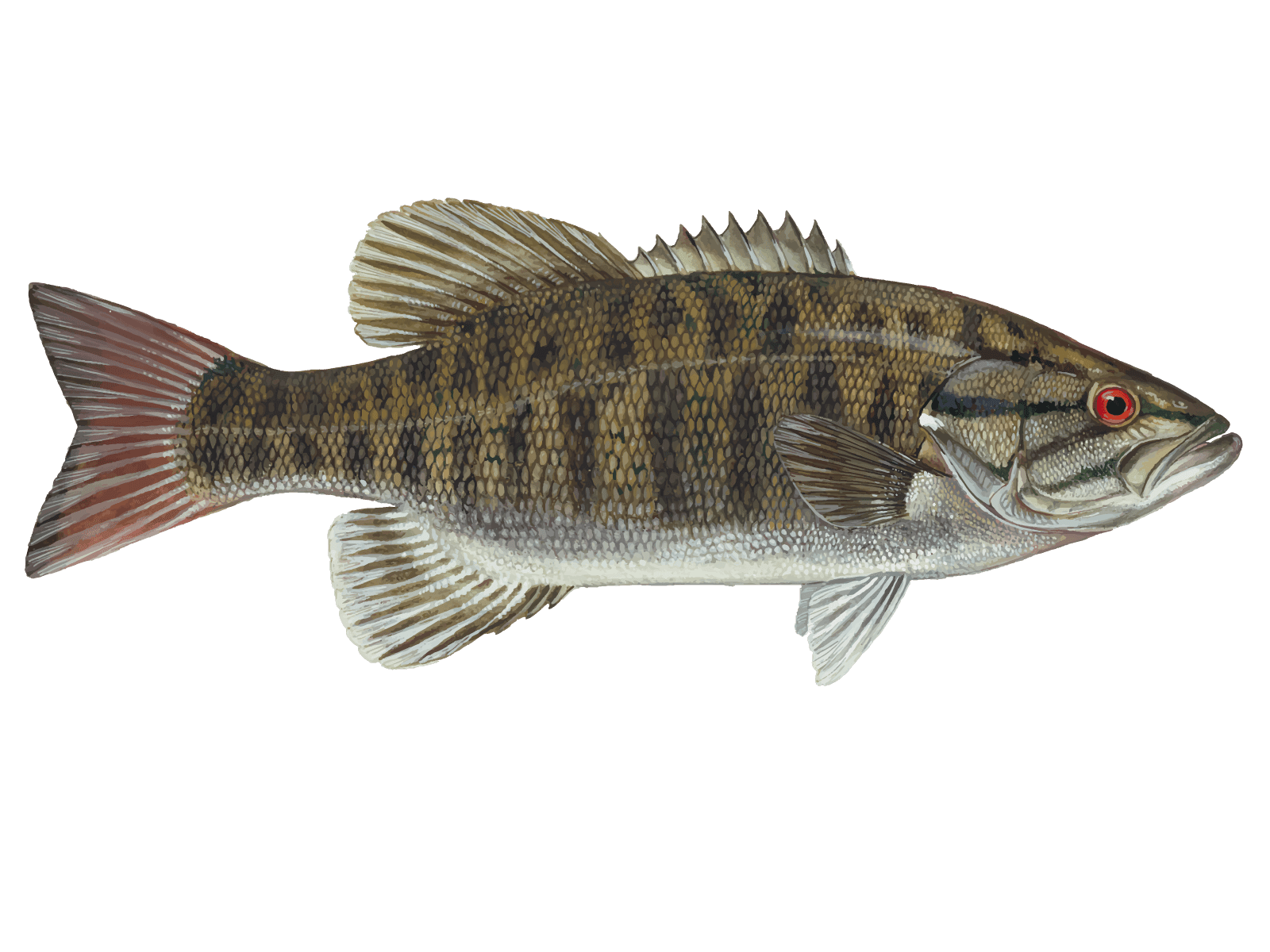
Smallmouth Bass
Smallmouth bass are perfect for fly fishing beginners on the Potomac. These bronze-colored fighters typically run 12-16 inches and put up a scrappy fight that'll test your new skills. You'll find them around rocky areas and drop-offs, especially where the current breaks around boulders or fallen trees. Spring and fall are prime time when they move into shallower water during warmer parts of the day. Summer pushes them deeper, but early morning and evening still produce well. What makes smallmouth special is their aggressive nature - they'll chase down a well-presented fly and give you that rod-bending experience every angler remembers. The meat's firm and tasty too. Here's a local tip: look for that slight bronze flash when they turn on your fly, and keep steady pressure during the fight - they love to jump and throw the hook.
About the Blackbeards Fishing Adventures
%2F%2Fusers%2F6e818a5c-283d-43f0-ac98-f969d3457d25%2Fvehicle_picture%2F645585396_10237171079769990_5406630153562871457_n-msu6uuox.jpg&w=1920&q=75)
Vehicle Guest Capacity: 2
Manufacturer Name: Honda Outboard Motor
Maximum Cruising Speed: 40
Number of Engines: 1
Horsepower per Engine: 2